Important Notice
This guide is for educational purposes only. Blood test results must always be interpreted by a licensed healthcare provider in the context of your individual medical history, symptoms, and clinical presentation. Do not use this guide to self-diagnose or alter your treatment plan.
Understanding Blood Tests
Blood tests are among the most powerful and widely used diagnostic tools in modern medicine. By analyzing a small sample of blood drawn from a vein, laboratory scientists can assess organ function, detect infections, identify nutritional deficiencies, screen for chronic conditions such as diabetes or cardiovascular disease, and monitor the effectiveness of ongoing treatment. A single blood draw can produce results for dozens of individual measurements within hours.
Your physician will order blood tests based on your age, symptoms, family history, risk factors, and the goals of your care. Some tests are included in routine annual wellness panels, while others are ordered only when a specific condition is suspected. Understanding what each test measures helps you engage more meaningfully in conversations with your healthcare team and reduces the anxiety that can accompany waiting for results.
Complete Blood Count (CBC)
The Complete Blood Count, commonly abbreviated as CBC, is one of the most frequently ordered laboratory panels in clinical medicine. It evaluates the three major components of blood: red blood cells, white blood cells, and platelets, producing a comprehensive snapshot of the cellular composition of your blood.
Red blood cells (RBCs) are responsible for transporting oxygen from the lungs to tissues throughout the body. The CBC reports your total red blood cell count along with related measurements: hemoglobin (the iron-containing protein that binds oxygen), hematocrit (the percentage of total blood volume made up of red cells), mean corpuscular volume (MCV, which reflects the average size of your red cells), mean corpuscular hemoglobin (MCH), and red cell distribution width (RDW). Together these values help identify anemia and characterize its type, which guides treatment.
White blood cells (WBCs) are the immune system's primary defense cells. A CBC reports your total WBC count plus a differential breakdown by cell type: neutrophils (the first responders to bacterial infection), lymphocytes (key players in viral immunity and adaptive immune responses), monocytes (which mature into macrophages), eosinophils (elevated in allergic reactions and parasitic infections), and basophils. Platelet count measures the tiny cell fragments critical for blood clotting; abnormally low levels increase bleeding risk while elevated counts may signal inflammation.
Basic Metabolic Panel (BMP)
The Basic Metabolic Panel consists of eight individual tests that together provide a rapid assessment of your body's chemical balance, kidney function, and blood sugar regulation. These eight measurements are glucose, calcium, sodium, potassium, bicarbonate (CO2), chloride, blood urea nitrogen (BUN), and creatinine.
Glucose reflects your current blood sugar level and serves as a primary screening value for diabetes and hypoglycemia. Calcium, essential for bone health, muscle contraction, and nerve conduction, is tightly regulated by the body. Sodium and potassium are electrolytes governing fluid distribution and cellular electrical activity. Bicarbonate maintains the blood's acid-base equilibrium. Chloride works in concert with sodium and bicarbonate. BUN and creatinine are waste products filtered by healthy kidneys; elevated values may indicate impaired kidney function and warrant further evaluation.
Comprehensive Metabolic Panel (CMP)
The Comprehensive Metabolic Panel includes all eight BMP components and adds six measurements that assess liver health: total protein, albumin, total bilirubin, alkaline phosphatase (ALP), alanine aminotransferase (ALT), and aspartate aminotransferase (AST). This expanded panel gives physicians a simultaneous view of both kidney and liver function alongside electrolyte and glucose status.
Albumin is the most abundant protein in blood plasma and plays a vital role in transporting hormones, medications, and nutrients while maintaining oncotic pressure that keeps fluid in the bloodstream. Total bilirubin is a byproduct of red blood cell breakdown processed by the liver; elevated levels can cause jaundice. ALP, ALT, and AST are liver enzymes that leak into the bloodstream when liver cells are stressed or damaged, making them sensitive indicators of hepatic inflammation, fatty liver disease, or medication toxicity.
Lipid Panel
A lipid panel measures the fats circulating in your bloodstream, providing critical information about cardiovascular risk. The standard panel includes total cholesterol, low-density lipoprotein (LDL) cholesterol, high-density lipoprotein (HDL) cholesterol, and triglycerides. LDL cholesterol is associated with arterial plaque formation and elevated cardiovascular risk when levels are persistently high. HDL cholesterol facilitates cholesterol transport back to the liver and is associated with lower cardiovascular risk when levels are adequate. Triglycerides are a storage form of fat whose elevation is linked to metabolic syndrome and pancreatitis risk. The lipid panel is typically performed after a 9- to 12-hour fast for most accurate triglyceride measurement.
Thyroid Function Tests
Thyroid function tests evaluate how well the thyroid gland produces and regulates hormones that control metabolism, energy levels, and body temperature. The primary screening test is thyroid-stimulating hormone (TSH), which the pituitary gland secretes to regulate thyroid activity. A TSH above the reference range suggests hypothyroidism, while a value below the range points to hyperthyroidism. Free thyroxine (Free T4) reflects the level of circulating active thyroid hormone. Free triiodothyronine (Free T3) is the most metabolically potent thyroid hormone. Anti-thyroid peroxidase (anti-TPO) antibodies are tested when autoimmune thyroid disease such as Hashimoto's thyroiditis is suspected.
Hemoglobin A1c
Hemoglobin A1c (HbA1c or A1c) is a blood test reflecting your average blood glucose concentration over the preceding two to three months. Unlike a fasting glucose measurement that captures a single moment, A1c provides a long-term picture of blood sugar control. Standardized reference values classify results as follows: below 5.7% is considered normal, 5.7% to 6.4% indicates prediabetes, and 6.5% or higher meets the diagnostic threshold for diabetes. Because A1c does not require fasting, it is convenient for both initial screening and ongoing monitoring of blood sugar management. Certain conditions affecting red blood cell lifespan can influence A1c accuracy.
C-Reactive Protein
C-reactive protein (CRP) is produced by the liver in response to inflammation anywhere in the body. The standard CRP test detects significant elevations associated with acute infections, autoimmune flares, or tissue injury. High-sensitivity CRP (hs-CRP) measures much lower concentrations and is used as part of cardiovascular risk assessment to detect chronic, low-grade vascular inflammation. CRP is a nonspecific marker that rises with many different inflammatory conditions, so results must be interpreted alongside clinical findings and other laboratory data rather than in isolation.
How Blood Is Collected
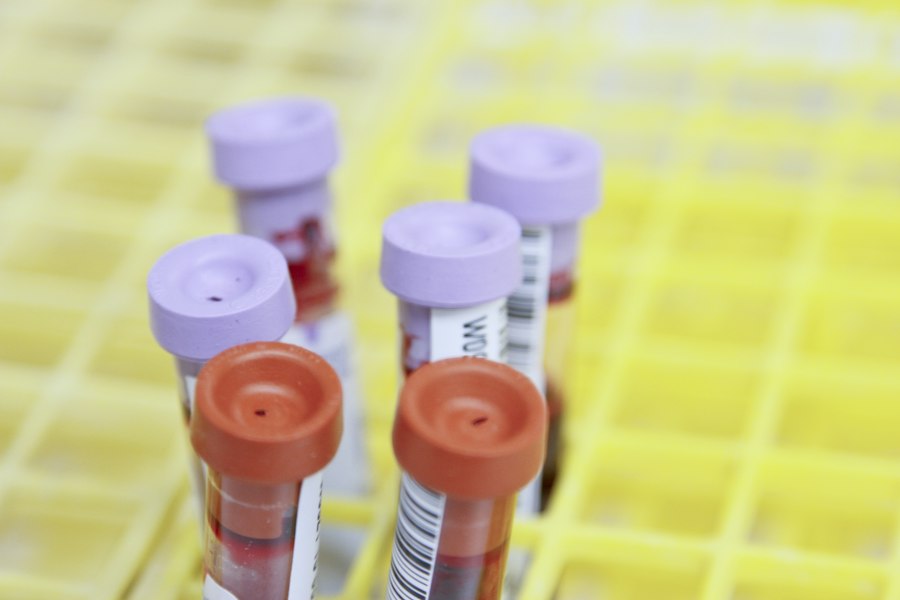
Most blood tests require venipuncture: the collection of blood from a vein, typically in the antecubital fossa (inner elbow) or the back of the hand. A trained phlebotomist cleans the site with an antiseptic wipe, applies a tourniquet to make the vein more prominent, inserts a small sterile needle connected to a collection tube, and draws the required volume. Different tests require different colored collection tubes containing specific additives. The procedure typically takes under two minutes. Some tests can be performed using a finger stick to collect capillary blood, which is common for glucose monitoring and certain point-of-care screenings.